/ Jun 27, 2026
Trending

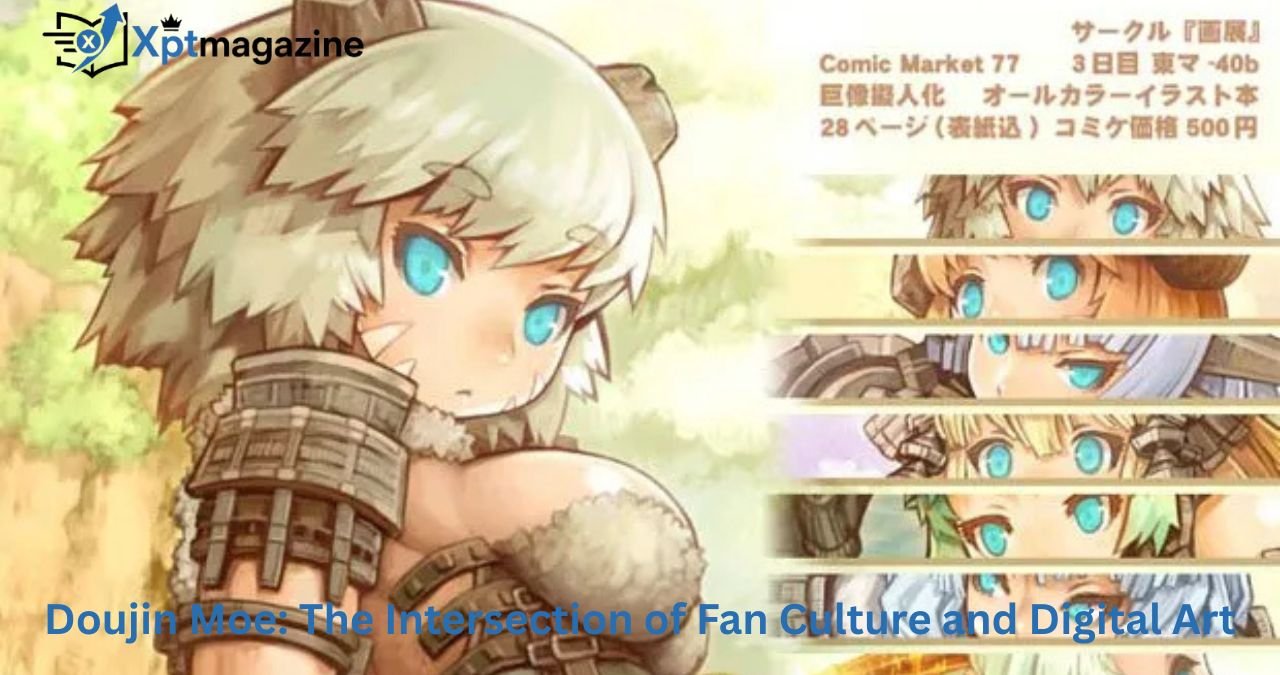
Table of Contents
ToggleIn the vibrant world of anime, manga, and digital art, few terms evoke as much passion and interest as Doujin Moe. While the concept of “doujin” has deep cultural roots in Japan, its influence has spread globally, particularly through the online fandoms of anime and manga. Doujin Moe is a subculture of fan-created art and stories that have evolved into a unique genre, blending the personal, the creative, and the social into one powerful medium of expression. This article explores what Doujin Moe is, how it has influenced digital art culture, and why it continues to thrive in the ever-changing world of fan-based creations.
“Doujin Moe” combines two distinct but complementary concepts: doujin and moe. To understand the significance of Doujin Moe, we must first break down these two terms:
When combined, Doujin Moe represents a specific genre within doujin culture, focusing on the creation of fan works featuring moe characters. These works are often fan interpretations of existing anime or manga characters, portrayed in an exaggerated, cute, or idealized manner. The resulting art, stories, or comics are heavily infused with affection, idealization, and sometimes humor, making it both a form of creative expression and a celebration of fandom.
Doujin Moe emerged from Japan’s larger doujinshi culture, which has been around since the 1970s. The rise of manga and anime conventions, such as the Comiket (Comic Market), allowed independent artists to showcase and sell their works to a dedicated fanbase. As anime and manga became more mainstream throughout the 1980s and 1990s, the doujin scene grew, with artists creating “doujinshi” based on popular series like Dragon Ball, Sailor Moon, and Naruto.
Moe, however, became more prominent during the early 2000s as anime fandoms expanded and diversified. Shows with moe characters, such as K-On!, Clannad, and Lucky Star, introduced a new wave of characters that fans adored for their innocence, quirks, and charm. Fans of these shows began creating doujinshi works centered around moe themes, focusing on the appeal of cute, lovable characters rather than on traditional plot-driven narratives.
This growing affection for moe characters within fan-created works gave rise to the subculture of Doujin Moe, where fan art, comics, and stories were created to express affection for these endearing characters. Doujin Moe’s increasing popularity reflected broader shifts in fan culture, where the lines between professional and amateur creators blurred, and fan-driven creative works became mainstream.
One of the defining characteristics of Doujin Moe is its close connection to the larger fan-created content ecosystem. Much of the appeal of Doujin Moe lies in the fact that it is driven by fans who are deeply passionate about their favorite anime and manga. Unlike mainstream creators who must adhere to industry expectations and commercial pressures, doujin artists are free to experiment with their work, allowing them to explore themes, emotions, and ideas that might not be seen in official media.
For example, a Doujin Moe work may reimagine characters in romantic or humorous situations, create alternate universe (AU) scenarios, or even delve into more mature or unconventional subjects, which may not align with the original tone of the series. The flexibility and freedom inherent in Doujin Moe make it a space for experimentation and exploration, offering new perspectives on familiar characters.
Doujin Moe has also contributed to the rise of fan fiction and online platforms that allow creators to share their works with a global audience. Websites like Pixiv and DeviantArt provide spaces for artists to post their fan art and doujinshi, while platforms like Archive of Our Own (AO3) allow writers to publish fan fiction. These platforms have democratized fan creation, allowing artists to engage directly with their audience and receive feedback. As a result, Doujin Moe has evolved from a niche interest into a widespread and celebrated form of digital art.
The cultural impact of Doujin Moe cannot be overstated. While it began as a subculture within anime fandoms, its influence has spread far beyond Japan, finding a significant audience in North America, Europe, and other parts of the world. The unique aesthetic and themes of Doujin Moe have influenced a wide range of artistic expressions, from digital art to animation, fashion, and even video games.
Doujin Moe is deeply entrenched in the digital art world. The internet has facilitated the widespread distribution of doujinshi, allowing artists to share their works with a global audience. In the age of social media and online platforms, fans can easily discover, download, and share Doujin Moe content.
The proliferation of digital tools like Clip Studio Paint, Photoshop, and Wacom tablets has also made it easier for artists to create high-quality works quickly and efficiently. These digital tools allow for the creation of highly detailed, vibrant artwork that aligns with the aesthetic qualities of anime and manga.
Furthermore, crowdfunding platforms like Patreon and Kickstarter have given artists the ability to fund their Doujin Moe projects, allowing for the creation of more elaborate works that might not be possible through traditional publishing methods. By fostering an environment where creators can monetize their passion, these platforms have empowered artists to continue producing their work and building a loyal fanbase.
Doujin Moe’s future looks promising, as fan-driven content continues to thrive and evolve in the digital age. The demand for fan-made art and stories is only growing, and Doujin Moe’s position within the global anime and manga fandom remains strong. As technology continues to advance, we can expect even more immersive and interactive experiences to emerge, including virtual reality (VR) and augmented reality (AR) fan creations, which could offer new ways for fans to engage with their favorite characters and stories.
Additionally, with the increasing acceptance of fan creations in mainstream culture, it is likely that Doujin Moe will continue to inspire professional creators and reshape the way we think about fandom and art. By pushing the boundaries of creative expression and exploring new ways to interact with popular media, Doujin Moe is destined to remain a significant force in the world of digital art and fan culture.
Doujin Moe is much more than just fan art; it is a vibrant, dynamic subculture that embodies the creativity, passion, and freedom of fan-driven content. From its roots in Japan’s doujinshi culture to its global influence in digital art, Doujin Moe continues to evolve and inspire both amateur and professional creators alike. As fan communities grow and the tools for creation become even more advanced, Doujin Moe will undoubtedly remain a key force in shaping the future of digital art, animation, and storytelling.

XPTMagazine is a dynamic blog delivering insightful articles on trending topics, tech, lifestyle, guides, and knowledge—helping readers stay informed, inspired, and ahead in the digital world
XPTMagazine is a dynamic blog delivering insightful articles on trending topics, tech, lifestyle, guides, and knowledge—helping readers stay informed, inspired, and ahead in the digital world
Copyright 2026