/ Jun 27, 2026
Trending

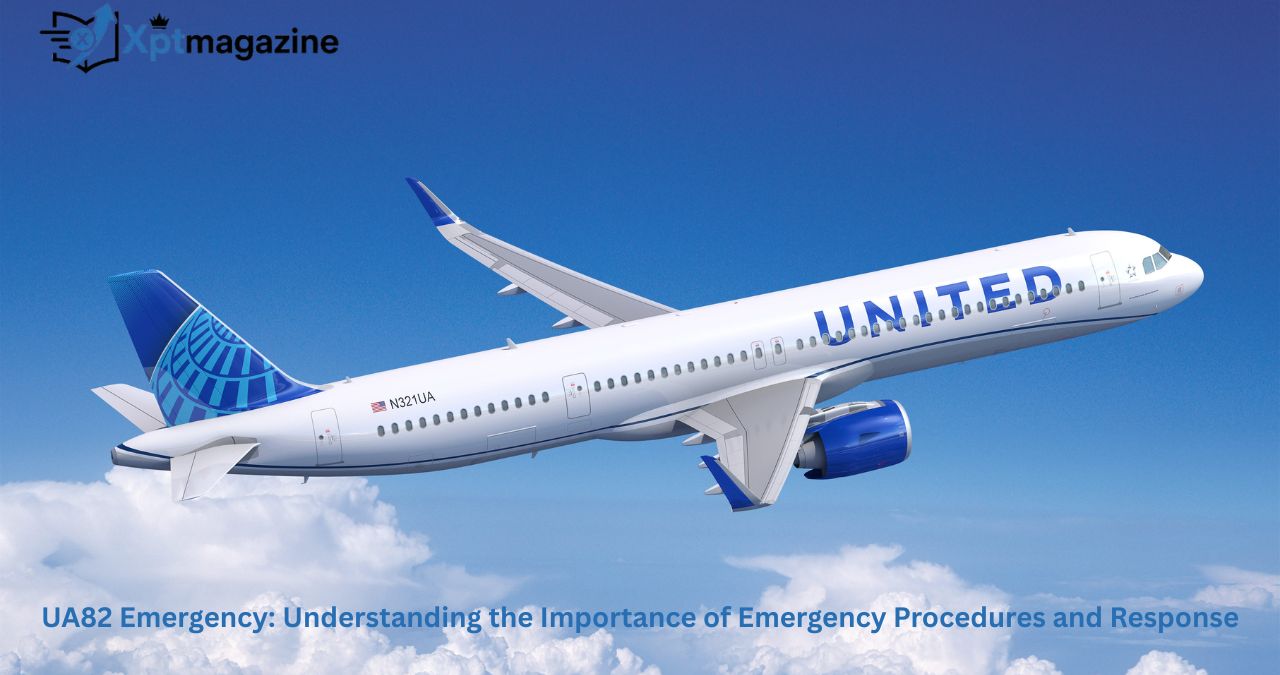
Table of Contents
ToggleIn today’s fast-paced world, emergencies can strike at any moment, and being prepared for unexpected events is crucial. One such emergency response protocol that has garnered attention in recent years is the UA82 emergency. Whether it’s related to aviation, medical services, or industrial sectors, understanding what UA82 refers to, its significance, and the appropriate steps to take during an emergency can mean the difference between life and death. In this article, we will delve into the specifics of the UA82 emergency, its background, its use in various sectors, and the steps involved in handling such emergencies effectively.
The term UA82 emergency is often associated with specific protocols in high-risk environments, particularly in the aviation sector. However, it can also extend to other areas requiring rapid response and immediate action. It is important to clarify the context in which UA82 is being used, as it is a code, procedure, or designation that has different meanings depending on the industry.
In aviation, the UA82 emergency typically refers to a specific type of emergency situation involving a commercial flight, where immediate action is required by both the crew and the emergency response team on the ground. This could involve issues such as in-flight medical emergencies, mechanical failures, or security threats, all of which demand urgent attention.
For example, United Airlines Flight UA82 has been used in training simulations, representing emergency scenarios such as mid-flight medical evacuations or unscheduled landings due to unforeseen circumstances. Understanding such protocols in aviation ensures that passengers are kept safe and that the crew is trained to handle a range of emergencies, from turbulence-related injuries to life-threatening medical conditions.
Whether you’re flying across the globe, working in a high-risk environment, or simply navigating daily life, emergencies are bound to happen. A critical part of staying safe during an emergency is understanding the procedures in place. The UA82 emergency designation serves as a reminder of how important it is to prepare and equip those in charge to act quickly when lives are at risk.
In the aviation sector, the primary responsibility for managing emergencies falls on the flight crew, followed closely by the air traffic control (ATC) personnel on the ground. The quick and efficient handling of an emergency situation involves a coordinated effort between these teams, ensuring that the incident is resolved as safely as possible.
To understand the gravity of an emergency, one must be aware of the different types of emergencies that can occur in aviation. These can range from medical emergencies involving passengers or crew members to technical issues such as engine failure or fuel system malfunctions. In all cases, having a clear emergency protocol and knowing how to implement it swiftly is paramount.
The UA82 emergency protocol can be activated in various situations. Let’s take a closer look at some common scenarios in aviation where this protocol might come into play.
Understanding what to do during an emergency like UA82 is critical for both passengers and crew members. The following steps outline the general procedures that should be followed when a UA82 emergency is declared:
In recent years, advancements in technology have significantly improved the response to emergencies like the UA82 emergency. With the integration of AI-powered systems, real-time communication tools, and advanced diagnostic equipment, flight crews and ground personnel can react faster and more effectively during high-pressure situations. For example, improved in-flight medical equipment and communication systems allow the crew to consult with medical professionals on the ground for guidance in medical emergencies, thus reducing the need for emergency landings.
In conclusion, the UA82 emergency serves as a powerful reminder of the importance of preparedness and quick response in handling critical situations. Whether it’s in aviation, healthcare, or any other high-risk industry, the ability to swiftly manage emergencies can save lives. By understanding the protocols associated with emergencies like the UA82 emergency, individuals can be better equipped to act when an unforeseen crisis occurs.
The key to handling any emergency is a well-prepared team, clear communication, and the use of effective protocols. As we continue to rely on technology and innovation to address these challenges, the future of emergency response looks brighter, promising faster and more effective solutions to life-threatening situations.

XPTMagazine is a dynamic blog delivering insightful articles on trending topics, tech, lifestyle, guides, and knowledge—helping readers stay informed, inspired, and ahead in the digital world
XPTMagazine is a dynamic blog delivering insightful articles on trending topics, tech, lifestyle, guides, and knowledge—helping readers stay informed, inspired, and ahead in the digital world
Copyright 2026