/ Mar 26, 2026
Trending

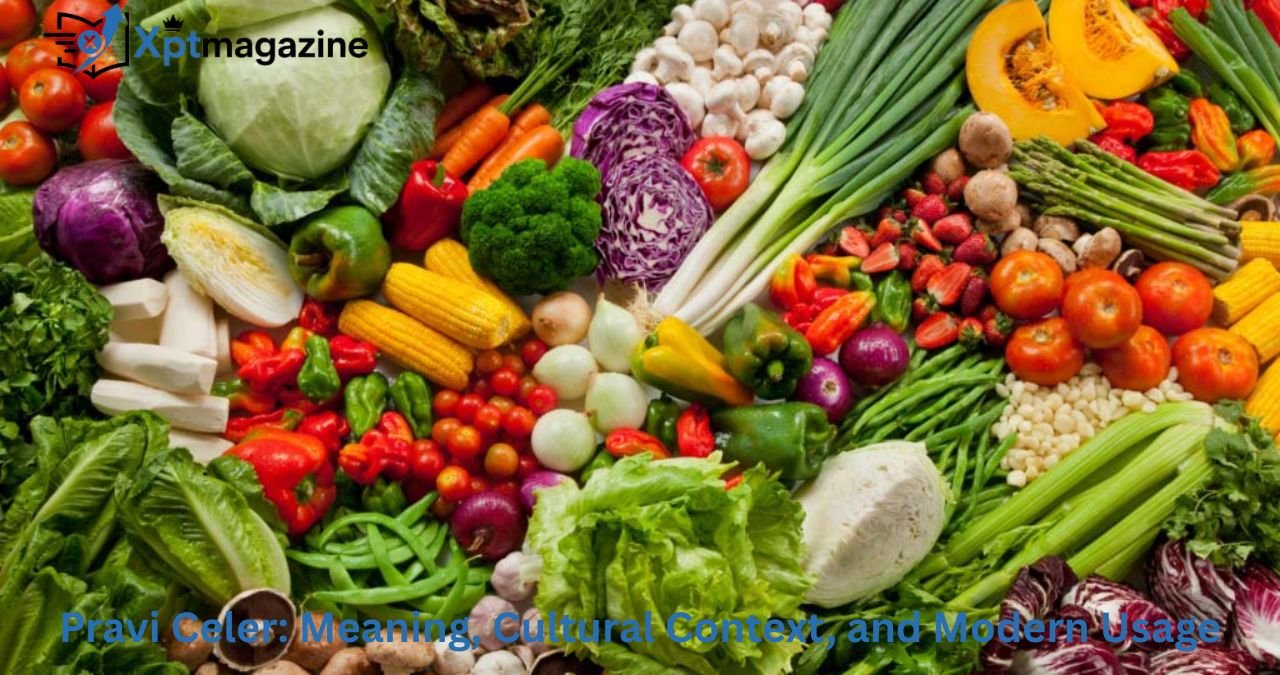
Table of Contents
ToggleLanguage often evolves through a blend of tradition, culture, and modern communication. Some terms carry literal meanings, while others gain significance through usage, context, or symbolism. One such phrase that sparks curiosity is pravi celer. Though simple in structure, pravi celer holds layered meanings depending on cultural, linguistic, and contextual interpretation. This article explores the meaning of pravi celer, its linguistic roots, cultural relevance, and how it is used in contemporary communication.
The phrase pravi celer originates from South Slavic languages, particularly Serbian, Croatian, and Bosnian. Translated directly into English, pravi means “real” or “true,” while celer refers to “celery.” On the surface, pravi celer literally translates to “real celery.” However, as with many expressions, the true value of pravi celer goes beyond literal translation.
In daily language, pravi celer can be used to emphasize authenticity, quality, or originality. Much like phrases such as “the real deal” in English, pravi celer conveys that something is genuine, not artificial, and not a substitute.
Celery has long been a familiar ingredient in Balkan cuisine. It is used in soups, stews, stocks, and traditional home-cooked meals. Because of this familiarity, the word celer became a natural reference point in everyday language. Adding pravi before it reinforces the idea of something being original or of proper quality.
In rural and urban speech alike, pravi celer is often used casually, especially when distinguishing natural or homegrown products from processed or imitation ones. Linguistically, this reflects a broader cultural preference for authenticity and tradition.
In cooking, pravi celer typically refers to fresh, natural celery rather than dried, powdered, or artificial flavor substitutes. Traditional Balkan cooking places strong emphasis on fresh ingredients, and celery is valued for both flavor and aroma.
Home cooks may emphasize that they use pravi celer to highlight the quality of their dish. It implies that the food is prepared with care, tradition, and natural components. In this sense, pravi celer becomes a symbol of honest, wholesome cooking.
Beyond the kitchen, pravi celer has evolved into an expression of authenticity. When something is described as pravi celer, it often means:
This symbolic use aligns with how many cultures value natural, unprocessed goods. In an era of mass production, phrases like pravi celer resonate with people who appreciate simplicity and honesty.
Modern language adapts traditional phrases into broader meanings. Today, pravi celer may be used humorously, sarcastically, or metaphorically. For example, someone may describe a person, idea, or product as pravi celer to imply that it is authentic, straightforward, or refreshingly real.
In casual conversations and online platforms, such expressions are often used to add character and cultural flavor. This makes pravi celer not just a phrase, but a reflection of identity and linguistic heritage.
Food-related expressions are common across cultures, and pravi celer fits into this global pattern. Food is deeply connected to memory, family, and tradition. Using such expressions allows speakers to convey complex meanings through simple, relatable imagery.
In the Balkans, where home cooking remains culturally significant, expressions like pravi celer serve as linguistic reminders of authenticity, family values, and connection to roots.
In recent years, there has been a global shift toward organic food, clean eating, and natural living. In this context, pravi celer aligns well with modern values. It symbolizes food that is:
Because of this alignment, pravi celer can also be associated with wellness and mindful consumption, even when used metaphorically.
As unique phrases gain attention online, they often find new life in digital spaces. Pravi celer has the potential to be used creatively in:
Its uniqueness makes it stand out, while its meaning remains grounded and relatable. For content creators, such phrases offer originality without losing cultural depth.
From an SEO perspective, pravi celer is a low-competition keyword, making it valuable for niche content. Because it is specific and culturally rooted, content optimized for pravi celer can attract targeted audiences searching for language explanations, cultural topics, or culinary references.
Using the keyword naturally in headings, body text, and explanations helps build topical authority while maintaining readability.
One challenge with phrases like pravi celer is that non-native speakers may interpret them too literally. Without cultural context, the phrase may seem purely culinary. This highlights the importance of explanation and context when using such terms in broader communication.
However, this also creates an opportunity for educational content that bridges language and culture.
Despite changes in language and lifestyle, expressions rooted in everyday life tend to endure. Pravi celer remains relevant because it reflects universal values: authenticity, simplicity, and trust. Whether used literally in cooking or metaphorically in conversation, its meaning remains clear and relatable.
Pravi celer is more than just a phrase meaning “real celery.” It represents authenticity, tradition, and quality deeply rooted in language and culture. From kitchens to conversations, from literal use to symbolic meaning, pravi celer carries a sense of honesty and originality that resonates in both traditional and modern contexts.
As language continues to evolve, culturally rich expressions like pravi celer remind us of the power of simple words to convey deeper values. In a world increasingly shaped by imitation and artificiality, the idea of something being pravi celer feels more relevant than ever.

XPTMagazine is a dynamic blog delivering insightful articles on trending topics, tech, lifestyle, guides, and knowledge—helping readers stay informed, inspired, and ahead in the digital world
XPTMagazine is a dynamic blog delivering insightful articles on trending topics, tech, lifestyle, guides, and knowledge—helping readers stay informed, inspired, and ahead in the digital world
Copyright 2026