/ Mar 27, 2026
Trending

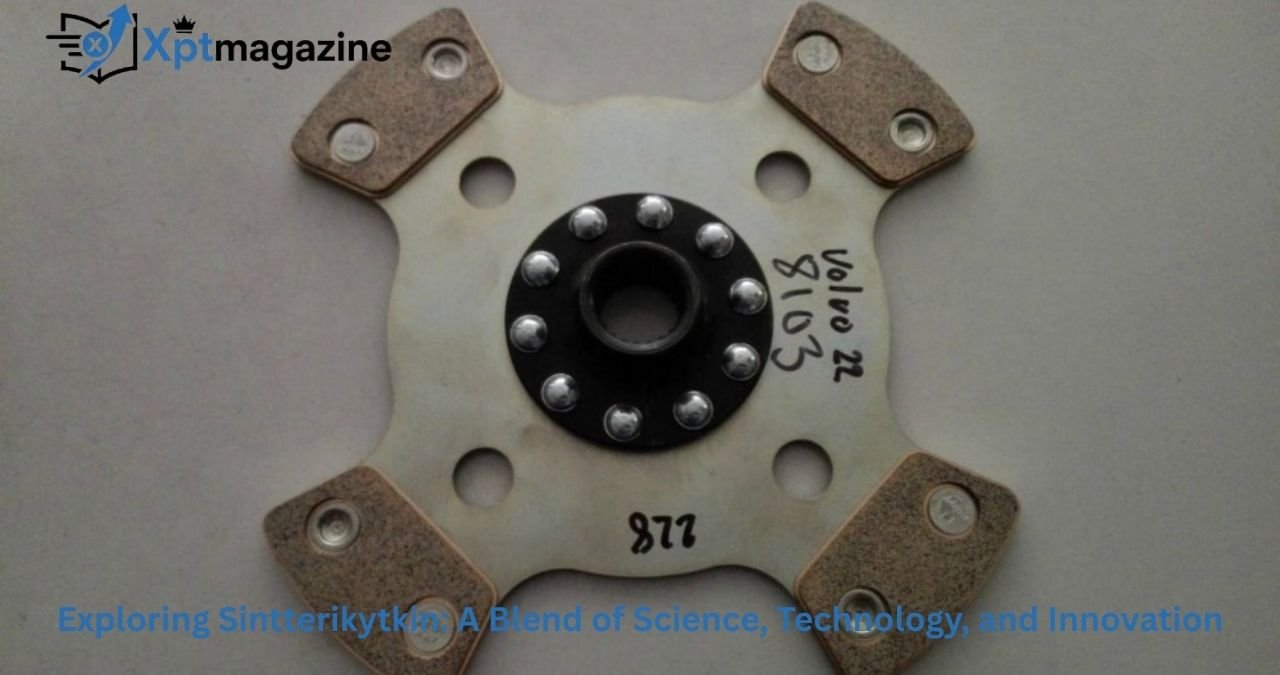
Table of Contents
ToggleThe world of technology and science is constantly evolving, introducing new terms, concepts, and innovations. One such term that may have recently piqued the interest of those in the fields of engineering, robotics, and automation is “Sintterikytkin.” While this word may seem unfamiliar, it has a fascinating origin and a potential impact across various industries. In this article, we will dive deep into the meaning, origin, and potential applications of Sintterikytkin, exploring its significance in the context of modern technological advancements.
The term “Sintterikytkin” is a compound word that may be rooted in Finnish, where “sinteri” means “sinter” (a process related to material formation) and “kytkin” translates to “clutch.” A combination of these two components, Sintterikytkin could be understood as a “sintered clutch” or a technological concept relating to a sintering process involved in clutch mechanisms. However, the exact definition of Sintterikytkin could vary based on the specific industry and usage.
Sintering is a manufacturing process used in powder metallurgy where powdered materials are heated to just below their melting points to form solid objects. In the context of Sintterikytkin, it could refer to the use of sintered materials to create highly durable, high-performance clutches that have applications in machinery, automotive technology, and various engineering systems.
To understand the significance of Sintterikytkin, it’s crucial to first explore the concept of sintering. Sintering is a process commonly employed in metallurgy, ceramics, and additive manufacturing. The process involves heating powdered materials (such as metals, ceramics, or polymers) under pressure to bond them into a solid structure. This allows for the creation of objects with specific mechanical properties that are difficult to achieve with traditional casting or forging techniques.
Sintering plays a vital role in the production of parts that need to withstand high temperatures, wear, and corrosion. When applied to clutch systems, sintered materials offer improved strength and reliability. Sintterikytkin, or sintered clutches, may thus be designed to meet the demanding conditions in heavy-duty applications such as high-performance vehicles, industrial machinery, or even space exploration technologies.
Clutches are mechanical devices used to engage and disengage power transmission in a machine or vehicle. In the automotive industry, clutches are crucial components that allow the engine to transfer power to the wheels and control the vehicle’s speed. Traditionally, clutches have been made from materials like steel or cast iron. However, these materials often fall short when it comes to dealing with extreme pressures and temperatures, leading to wear and tear over time.
This is where Sintterikytkin comes into play. By utilizing sintered materials, which are engineered to offer high heat resistance, durability, and wear resistance, Sintterikytkin could revolutionize the clutch industry. These sintered clutches would be able to operate under more extreme conditions without suffering from the same degradation as traditional clutches, making them more efficient and reliable.
Sintered clutches could offer numerous advantages over conventional clutches, including:
The automotive industry is one of the primary sectors where Sintterikytkin could make a significant impact. In cars, trucks, and motorcycles, the clutch system is crucial for smooth shifting and power transmission. As modern vehicles push the limits of performance, the demand for more advanced and durable clutch systems increases. Sintterikytkin, as a sintered clutch, could meet these demands by offering greater strength, heat resistance, and longevity.
For high-performance sports cars, racing vehicles, and trucks that carry heavy loads, Sintterikytkin could be a game-changer. The ability to withstand extreme operating conditions—such as high temperatures generated during high-speed driving or heavy hauling—would be essential. Sintered clutches are also less prone to slipping or overheating, which could reduce the chances of failure during critical operations.
Additionally, in electric vehicles (EVs), where regenerative braking systems and high torque motors are often present, Sintterikytkin could play a crucial role in ensuring the clutch system can handle the high forces generated during acceleration and deceleration.
Beyond automotive applications, Sintterikytkin could have widespread use in robotics and industrial machinery. In these sectors, clutches are necessary to manage the movement of mechanical parts, control the transfer of power, and protect sensitive components from damage due to overloads or mechanical shocks.
Robotic systems, particularly those involved in precision manufacturing or heavy-duty tasks, rely on clutches to ensure smooth and precise movements. Sintterikytkin, with its high resistance to wear and heat, could enhance the performance of robotic arms, actuators, and other mechanical systems by offering more reliable clutches.
Similarly, in industrial machinery used in construction, mining, or energy generation, Sintterikytkin could be employed to improve the efficiency and lifespan of clutch systems. These machines often operate in harsh environments where durability and reliability are paramount. A sintered clutch system could prevent premature failure, reduce downtime, and improve productivity.
As the world becomes more focused on sustainability and reducing the environmental footprint of manufacturing processes, Sintterikytkin could play an essential role. The sintering process, when done using sustainable materials and technologies, could contribute to reducing waste and the energy consumption associated with traditional manufacturing methods.
Additionally, the longevity and reduced maintenance requirements of Sintterikytkin could lead to fewer replacements of clutch components, reducing the need for raw material extraction and waste generation. This aligns with the growing emphasis on creating more eco-friendly technologies and reducing the environmental impact of industrial practices.
The potential applications of Sintterikytkin are vast and continue to evolve as technology advances. As industries demand more efficient, durable, and high-performance components, the role of sintered clutches is expected to expand. Innovations in materials science, manufacturing processes, and automation will only serve to enhance the effectiveness of Sintterikytkin in various sectors.
In the automotive industry, we may see the widespread adoption of Sintterikytkin in electric vehicles, hybrid systems, and high-performance sports cars. Robotics and industrial machinery may also continue to embrace sintered clutches for their durability and reliability, ensuring optimal performance in even the most challenging environments.
As Sintterikytkin gains more recognition, it could become a cornerstone in the development of future clutch systems, playing a pivotal role in driving innovation across multiple industries.
Sintterikytkin, a combination of sintering and clutch technology, represents an exciting leap forward in the development of high-performance, durable, and reliable mechanical components. Whether in the automotive industry, robotics, or industrial machinery, Sintterikytkin has the potential to redefine how clutches are designed, manufactured, and used. With its ability to withstand extreme conditions and reduce maintenance costs, Sintterikytkin could be a game-changer for industries that require high-efficiency mechanical systems.
As the world continues to push the boundaries of technology, Sintterikytkin stands as a testament to the power of innovation, bridging the gap between advanced materials and cutting-edge machinery to create a more sustainable and efficient future.

XPTMagazine is a dynamic blog delivering insightful articles on trending topics, tech, lifestyle, guides, and knowledge—helping readers stay informed, inspired, and ahead in the digital world
XPTMagazine is a dynamic blog delivering insightful articles on trending topics, tech, lifestyle, guides, and knowledge—helping readers stay informed, inspired, and ahead in the digital world
Copyright 2026