/ Mar 25, 2026
Trending

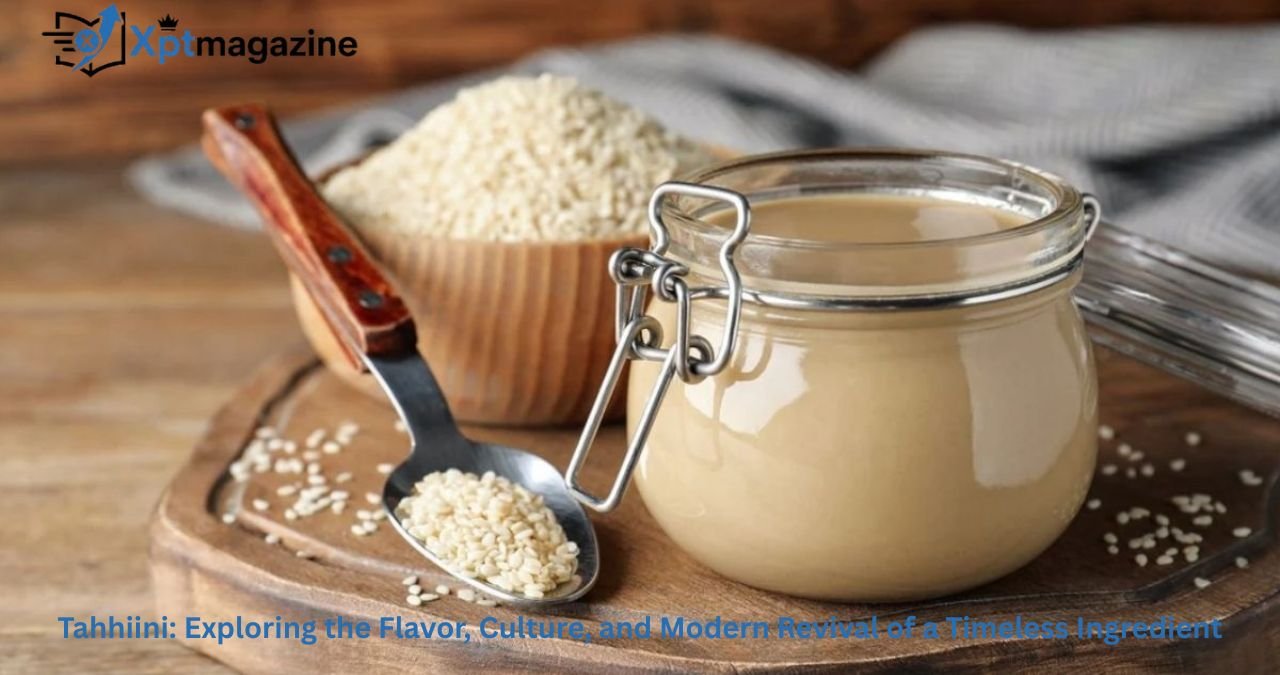
Table of Contents
ToggleIn the expanding world of global cuisine, certain ingredients stand out not just for their flavor, but for their cultural richness and versatility. One such ingredient gaining renewed attention is tahhiini. Known for its creamy texture, nutty flavor, and culinary adaptability, tahhiini has moved beyond traditional kitchens and into mainstream global food culture. From Mediterranean dishes to contemporary plant-based recipes, tahhiini continues to inspire chefs and home cooks alike.
At its core, tahhiini is a smooth paste made primarily from ground sesame seeds. While often associated with Middle Eastern cuisine, its influence now spans continents. The growing demand for wholesome, plant-based, and nutrient-rich ingredients has helped tahhiini earn its place in modern kitchens worldwide.
Tahhiini has deep historical roots. Sesame seeds have been cultivated for thousands of years across regions in the Middle East, Africa, and parts of Asia. Over time, grinding these tiny seeds into a smooth paste became a culinary tradition that shaped countless regional dishes.
In many cultures, tahhiini symbolizes simplicity and nourishment. It is an essential component in beloved recipes such as hummus, baba ghanoush, and various sauces served with grilled meats or vegetables. Its long-standing role in traditional cooking reflects both its practicality and its nutritional value.
What makes tahhiini remarkable is how it preserves cultural heritage while remaining adaptable to modern tastes. Even as food trends evolve, tahhiini maintains its authenticity.
One major reason tahhiini has gained renewed popularity is its impressive nutritional profile. Sesame seeds are packed with beneficial nutrients, and when transformed into tahhiini, these nutrients remain largely intact.
Tahhiini typically contains:
For individuals following vegetarian or vegan diets, tahhiini serves as an excellent source of plant-based nutrition. Its rich fat content provides satiety, while its minerals contribute to overall wellness.
Because tahhiini is naturally dairy-free and gluten-free, it fits easily into a wide range of dietary lifestyles. This flexibility enhances its appeal among health-conscious consumers.
One of the most compelling aspects of tahhiini is its adaptability in recipes. It works beautifully in both savory and sweet dishes. Traditionally, tahhiini is mixed with lemon juice, garlic, and water to create a smooth sauce. This simple preparation enhances grilled vegetables, falafel, and flatbreads.
However, modern culinary creativity has taken tahhiini beyond tradition. Chefs now incorporate tahhiini into salad dressings, pasta sauces, smoothies, and even desserts. When blended with honey or maple syrup, tahhiini transforms into a rich drizzle perfect for toast or pancakes.
Its nutty undertone complements chocolate, dates, and nuts in baked goods. Tahhiini brownies, cookies, and energy bites have become increasingly popular in health-focused kitchens.
The smooth, creamy texture of tahhiini allows it to replace butter or cream in certain recipes, making it an innovative alternative for those seeking plant-based substitutions.
The rise of plant-based eating has propelled tahhiini into the spotlight. As consumers seek alternatives to animal-based products, tahhiini provides flavor and richness without compromise.
Social media has also played a major role. Food bloggers frequently share visually appealing dishes featuring tahhiini drizzles and vibrant grain bowls. Its creamy consistency photographs well, contributing to its popularity on digital platforms.
Another trend influencing tahhiini’s resurgence is global fusion cuisine. Modern chefs blend ingredients from different cultures, and tahhiini’s neutral yet distinctive flavor makes it an ideal component in experimental recipes.
From roasted vegetable wraps to protein-packed smoothie bowls, tahhiini adapts seamlessly to evolving culinary trends.
Although widely available in supermarkets, tahhiini can also be prepared at home with minimal effort. The traditional method involves lightly toasting sesame seeds to enhance flavor before blending them into a smooth paste.
The process typically requires:
Once blended, the mixture becomes smooth and creamy. Homemade tahhiini allows control over texture and flavor intensity. Some prefer lighter roasting for a milder taste, while others favor a deeper, nuttier profile.
Storing tahhiini properly is important. It should be kept in an airtight container and refrigerated after opening to maintain freshness.
Sustainability is increasingly influencing food choices. Sesame plants generally require less water compared to other crops, making them relatively resource-efficient. While agricultural practices vary by region, sesame cultivation often aligns with small-scale farming communities.
Choosing tahhiini sourced from ethical producers supports sustainable agriculture and local economies. Conscious consumerism strengthens both environmental responsibility and community welfare.
As demand grows, transparency in sourcing becomes even more important. Brands that prioritize fair trade and organic production contribute to the positive image of tahhiini worldwide.
Interestingly, tahhiini has also inspired uses beyond traditional meals. In wellness circles, sesame-derived products are sometimes valued for their natural oils and potential skincare applications. Although tahhiini itself is primarily culinary, its ingredient base reflects broader interest in natural products.
Artisan food markets and boutique cafes have embraced tahhiini-infused beverages and specialty items. Tahhiini lattes and frozen desserts showcase its versatility in creative ways.
This expansion into modern culinary experimentation demonstrates tahhiini’s flexibility across cultural and generational lines.
While tahhiini offers numerous benefits, there are considerations to keep in mind. Its high calorie density means portion control is important, particularly for individuals monitoring energy intake. Additionally, sesame allergies, though less common than other food allergies, do exist and must be taken seriously.
Quality can vary significantly between brands. Some commercial tahhiini products may separate or develop bitterness depending on processing methods. Stirring thoroughly before use typically resolves separation.
Despite these minor challenges, tahhiini remains a widely appreciated and valued ingredient.
As culinary boundaries continue dissolving and global flavors blend together, tahhiini is well-positioned to remain a staple ingredient. Its nutritional benefits, flavor adaptability, and cultural depth make it highly relevant in contemporary cooking.
Innovation will likely continue expanding tahhiini’s presence in packaged snacks, ready-made sauces, and health products. With consumers increasingly embracing international cuisine, tahhiini’s recognition is set to grow even further.
Moreover, education about traditional foods strengthens appreciation for cultural heritage. Tahhiini embodies this intersection of tradition and innovation.
Tahhiini is far more than a simple sesame paste. It is a symbol of culinary heritage, nutritional value, and modern creativity. From its ancient origins to its current role in plant-based diets and global fusion dishes, tahhiini demonstrates remarkable adaptability.
Whether used in savory sauces, sweet treats, or innovative beverages, tahhiini enriches recipes with texture and flavor. As food culture continues evolving, this timeless ingredient remains both relevant and inspiring. Through thoughtful sourcing, creative experimentation, and balanced consumption, tahhiini will continue delighting kitchens around the world for years to come.

XPTMagazine is a dynamic blog delivering insightful articles on trending topics, tech, lifestyle, guides, and knowledge—helping readers stay informed, inspired, and ahead in the digital world
XPTMagazine is a dynamic blog delivering insightful articles on trending topics, tech, lifestyle, guides, and knowledge—helping readers stay informed, inspired, and ahead in the digital world
Copyright 2026